



Oxytocin Receptor
OXTR
The oxytocin receptor belongs to the G-protein-coupled seven-transmembrane receptor superfamily. Its main physiological role is regulating the contraction of uterine smooth muscle at parturition and the ejection of milk from the lactating breast. The oxytocin receptors are activated in response to binding oxytocin and a similar nonapeptide, vasopressin. Oxytocin receptor triggers Gi or Gq protein-mediated signaling cascades leading to the regulation of a variety of neuroendocrine and cognitive functions.
Oxytocin is a nonapeptide of the neurohypophyseal protein family that binds specifically to the oxytocin receptor to produce a multitude of central and peripheral physiological responses. In vivo, oxytocin acts as a paracrine and/or autocrine mediator of multiple biological effects. These effects are exerted primarily through interactions with G-protein-coupled oxytocin/vasopressin receptors, which, via Gq and Gi, stimulate phospholipase C-mediated hydrolysis of phosphoinositides.
All Product Categories
-
Oxytocin Receptor Related Products (84)
Related Products (84)

-
Antibodies (2)
-
Vasopressin Dimer (parallel) TFA
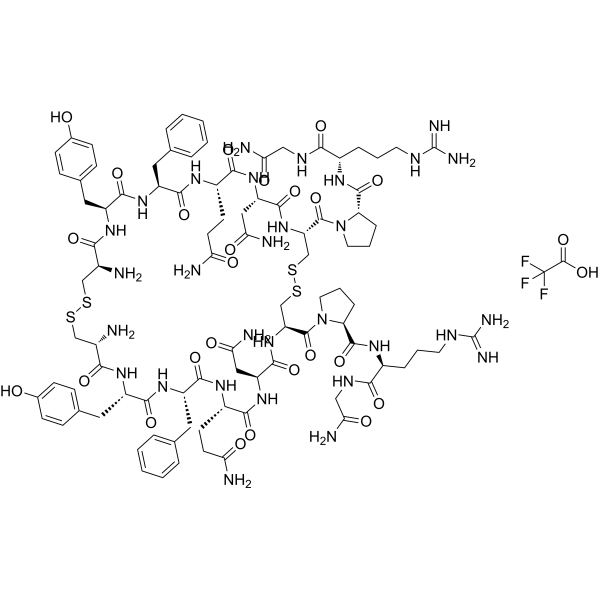 0 ImagesCat. No.: HY-P5213Purity: 99.55%Vasopressin Dimer (parallel) TFA is a parallel dimer of Vasopressin (HY-B1811). Vasopressin Dimer (parallel) TFA can activate four G protein-coupled receptors, V1aR, V1bR, V2R, and OTR.
-
Demoxytocin
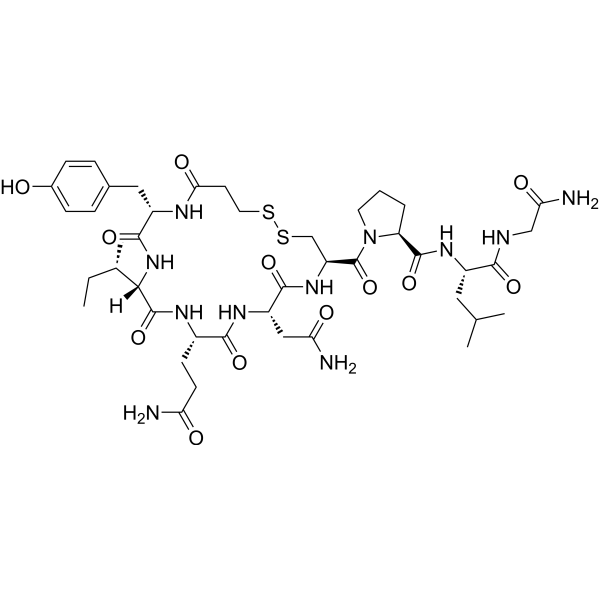 0 ImagesDemoxytocin is a heterologous cyclic peptide and an analog of Oxytocin (HY-17571). Demoxytocin affects the permeability of cell membranes and increases calcium ion levels in smooth muscle cells, thereby enhancing the contraction of smooth muscle cells. Demoxytocin also stimulates the contraction of uterine smooth muscle. Demoxytocin possesses the functions of oxytocin. Demoxytocin can be used to study labor stimulation in preterm premature rupture of membranes.
-
Epelsiban
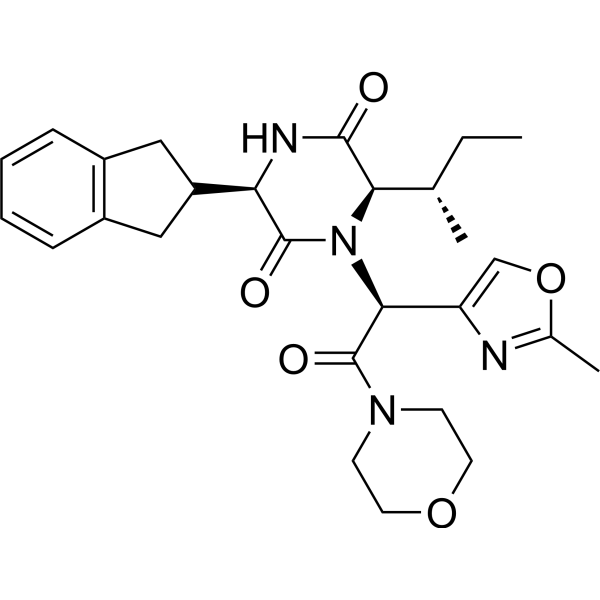
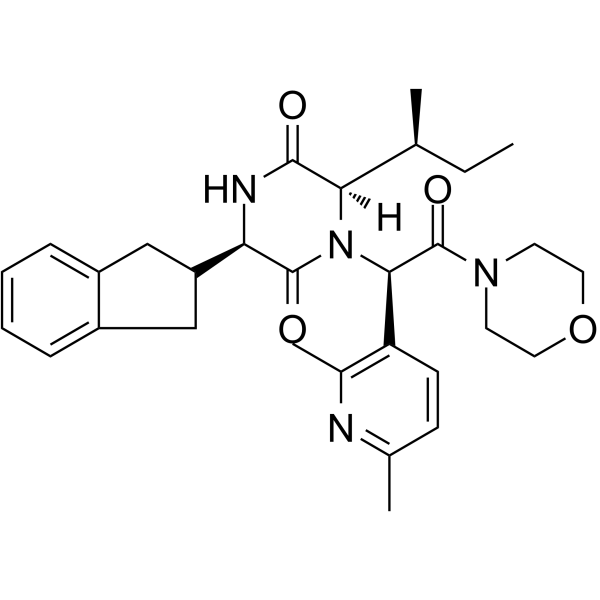 0 ImagesCat. No.: HY-105018CAS No.: 872599-83-2Synonyms: GSK 557296Epelsiban (GSK 557296) is a potent, selective and orally bioavailable oxytocin receptor antagonist, with a pKi of 9.9 for human oxytocin receptor.
-
[Asu1,6]-Oxytocin
![[Asu1,6]-Oxytocin](https://file.medchemexpress.com/product_pic/hy-p3866.gif "Click to View [Asu1,6]-Oxytocin Product Detail") 0 ImagesCat. No.: HY-P3866CAS No.: 14317-68-1[Asu1,6]-Oxytocin is an analog of oxytocin. [Asu1,6]-Oxytocin reverses insulin resistance and glucose intolerance prior to reduction of obesity. [Asu1,6]-Oxytocin has the potential for the research of obesity and diabetes.
0 ImagesCat. No.: HY-P3866CAS No.: 14317-68-1[Asu1,6]-Oxytocin is an analog of oxytocin. [Asu1,6]-Oxytocin reverses insulin resistance and glucose intolerance prior to reduction of obesity. [Asu1,6]-Oxytocin has the potential for the research of obesity and diabetes.
-
L 366509
 0 ImagesCat. No.: HY-15007CAS No.: 138382-23-7L 366509 is a spiroindenylpiperidine camphorsulfonamide oxytocin (OT) antagonist. Modifications led to a new series of o-tolylpiperazine (TP) camphorsulfonamides, exhibiting high affinity for OT receptors and selectivity over arginine vasopressin receptors. Notably, compound 7 (L-368,899) showed excellent OT receptor affinity, potency in inhibiting OT-stimulated uterine contractions, good aqueous solubility, and oral bioavailability in multiple species. Compound 7 has entered clinical testing as an oral and intravenous tocolytic agent. Molecular modeling suggests the TP camphorsulfonamide structure mimics the D-AA2-Ile3 dipeptide, crucial in potent OT antagonists.
-
PF-06478939 TFA
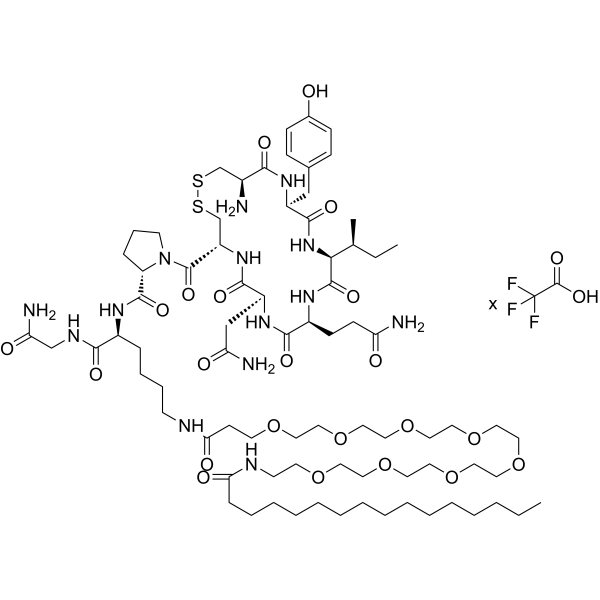 0 ImagesCat. No.: HY-153964APF-06478939 TFA is a non-brain-penetrating peptide that is an agonist at oxytocin (OT) receptor and vasopressin receptor with EC50 values of 0.01 nM and 0.078 nM, respectively.
-
Erlosiban
 0 ImagesCat. No.: HY-16741CAS No.: 1477482-19-1Synonyms: OBE001Erlosiban (OBE001) is an orally active non-peptide type oxytocin receptor antagonist. Erlosiban inhibits the increase of intracellular calcium concentration, thereby reducing uterine smooth muscle contraction. Erlosiban can be used for research on premature birth and to improve embryo implantation and pregnancy rate in assisted reproductive technology (AR).
-
OT antagonist 3
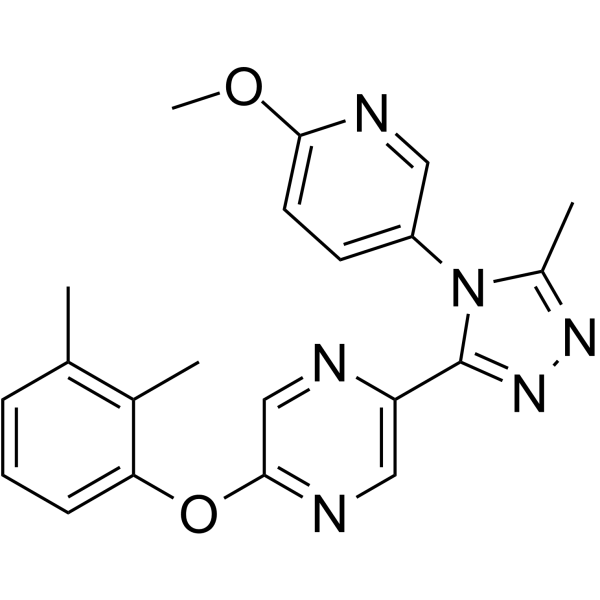 0 ImagesCat. No.: HY-103649CAS No.: 925703-75-9OT antagonist 3 is an oxytocin (OT) antagonist extracted from patent WO2007017752A1.
-
Cargutocin
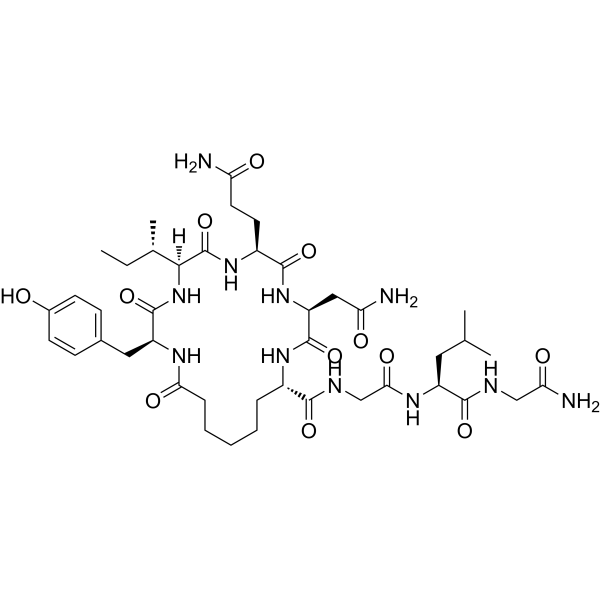 0 ImagesCat. No.: HY-P2034CAS No.: 33605-67-3Cargutocin, an oxytocin analogue, targets the oxytocin receptor and acts as a uterine contraction agent.
-
Barusiban
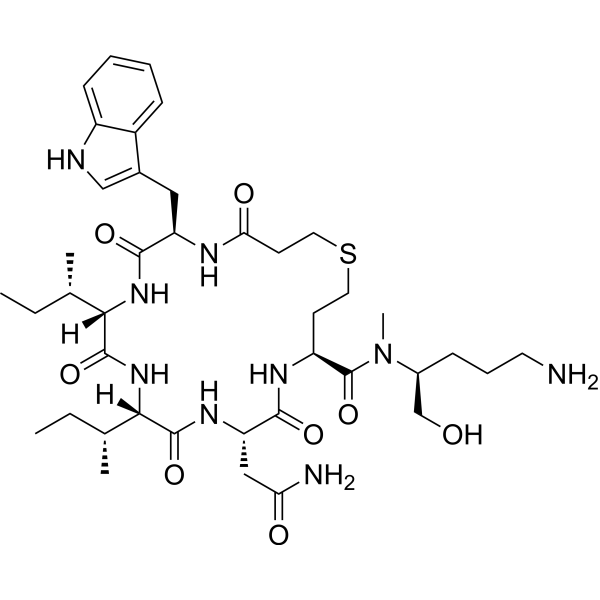 0 ImagesCat. No.: HY-P3516CAS No.: 285571-64-4Synonyms: FE-200440Barusiban (FE-200440) is an oxytocin receptor (OT-R) antagonist (Ki=0.8 nM), inhibits OT-induced contraction. Barusiban can be used in preterm labor (PTL), in vitro fertilisation (IVF) and infertility research.
-
L-366682
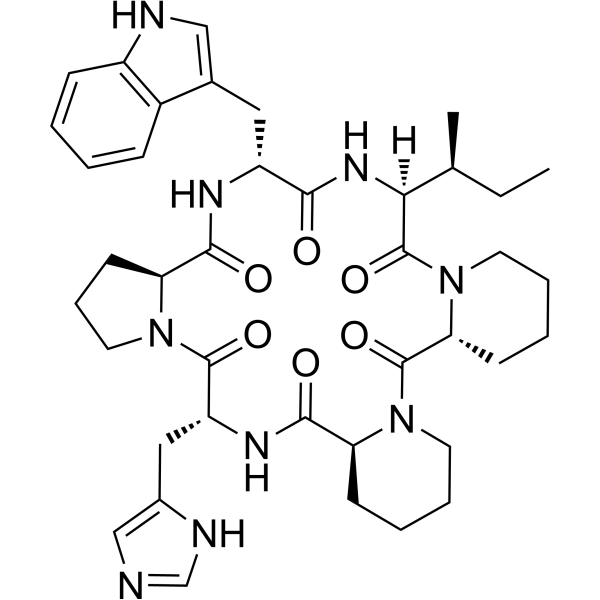 0 ImagesCat. No.: HY-120301CAS No.: 127819-96-9L-366682, a cyclic hexapeptide, possesses antagonism of oxytocin.
-
PF-06478939
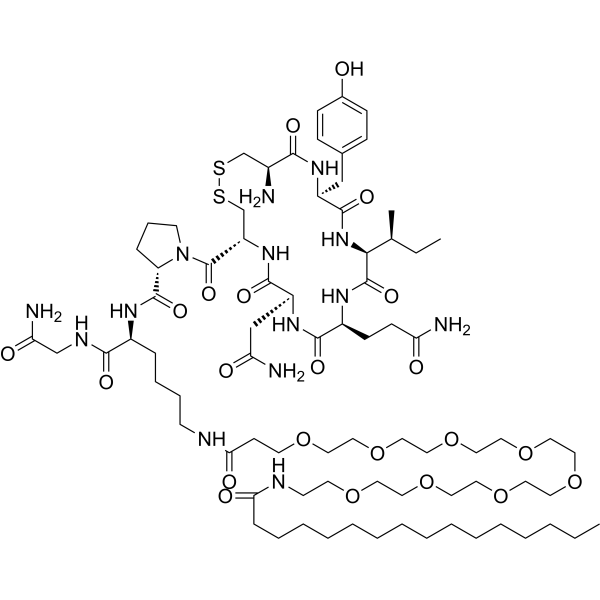 0 ImagesCat. No.: HY-153964PF-06478939 is a non-brain-penetrating peptide that is an agonist at oxytocin (OT) receptor and vasopressin receptor with EC50 values of 0.01 nM and 0.078 nM, respectively.
-
OT antagonist 3 analog
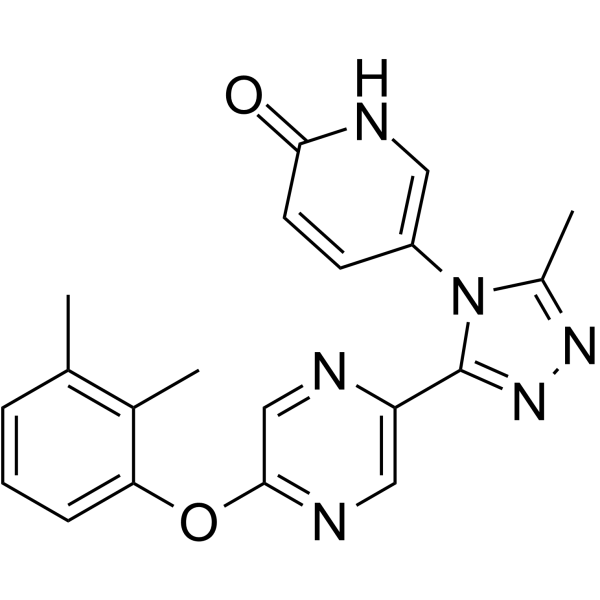 0 ImagesCat. No.: HY-103652CAS No.: 2444044-37-3OT antagonist 3 analog is an analog of OT antagonist 3.
![[D-Asn5]-Oxytocin](https://file.medchemexpress.com/product_pic/hy-p3220.gif "Click to View [D-Asn5]-Oxytocin Product Detail")
-
L-368,899
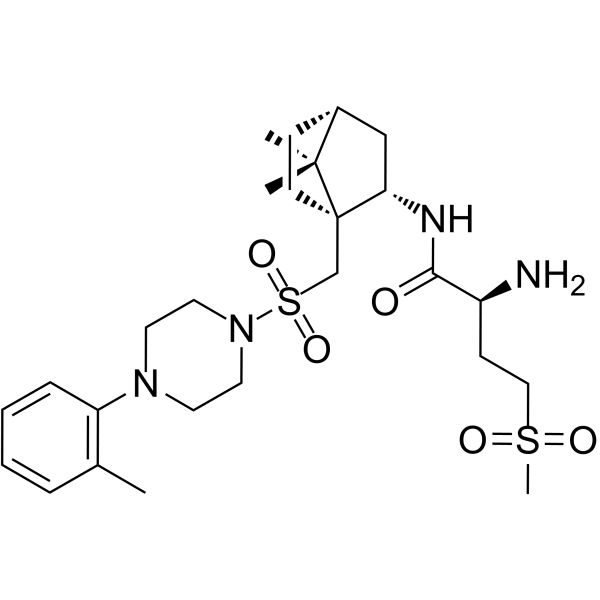 0 ImagesCat. No.: HY-15008CAS No.: 148927-60-0L-368,899 is an orally active and selective OT (oxytocin ) receptor antagonist, with IC50s of 8.9 and 26 nM for uterus of rat and human, respectively. L-368,899 can cross the blood-brain barrier (BBB). L-368,899 inhibits oxytocin-stimulated uterine contractions in rats and can be used in study of preterm labor.
-
(Val3,Pro8)-Oxytocin
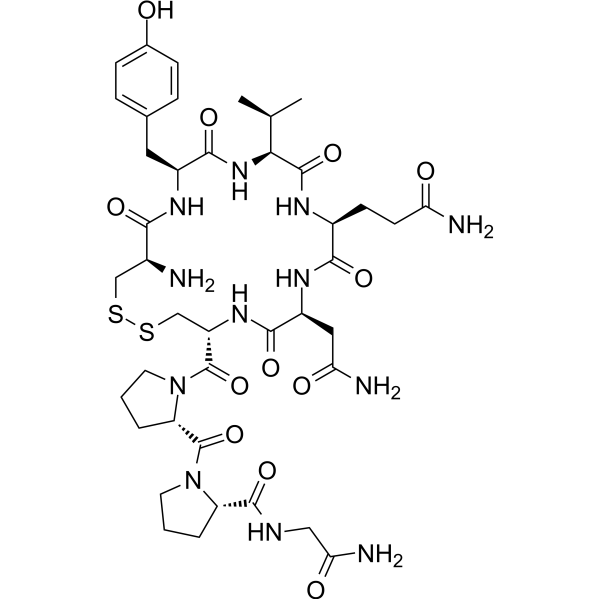 0 ImagesCat. No.: HY-P5017CAS No.: 2134138-89-7(Val3,Pro8)-Oxytocin is the Gq-dependent pathway agonist. (Val3,Pro8)-Oxytocin is also a weaker agonist for the β-arrestin engagement and endocytosis toward the oxytocin receptor (OXTR).
-
Oxytocin free acid
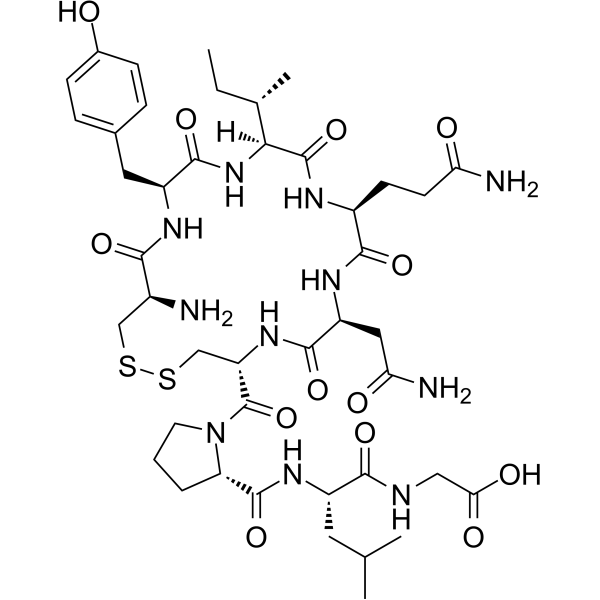 0 ImagesOxytocin free acid (9-Deamidooxytocin) is an analog of oxytocin in which the glycinamide residue at position 9 in oxytocin has been replaced by a glycine residue. Oxytocin is a pleiotropic, peptide hormone with broad implications for general health, adaptation, development, reproduction, and social behavior.
-
Vasopressin Dimer (anti-parallel) TFA
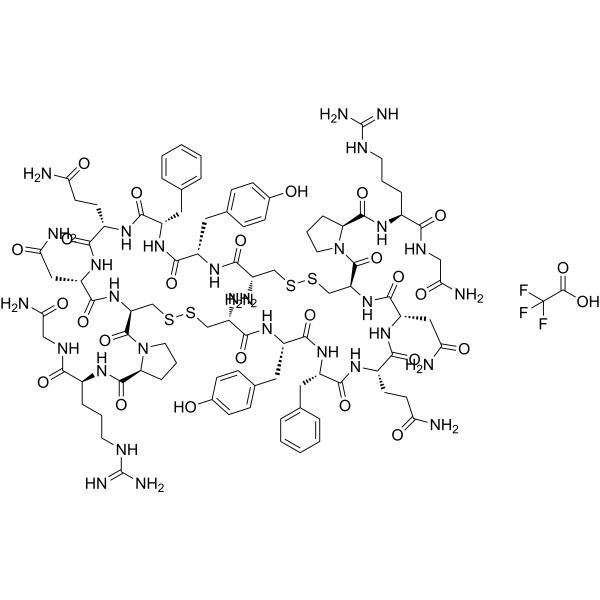 0 ImagesCat. No.: HY-P5214Vasopressin Dimer (anti-parallel) TFA is an anti-parallel dimer of Vasopressin (HY-B1811). Vasopressin Dimer (anti-parallel) TFA can activate four G protein-coupled receptors, V1aR, V1bR, V2R, and OTR.
-
Hydrin 1′
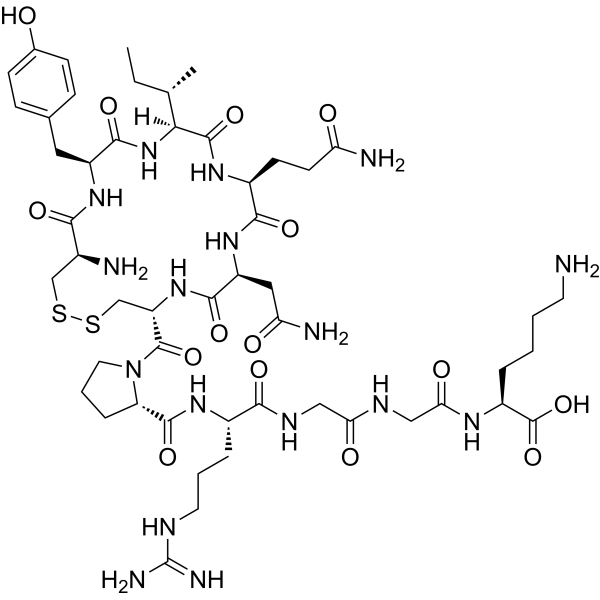 0 ImagesCat. No.: HY-P4703CAS No.: 148440-73-7Hydrin 1′ is found in the neurohypophysis of Xenopus. Hydrin 1′ possesses a considerable steroid-releasing activity in Xenopus adrenal gland in vitro. Hydrin 1′ targets oxytocin receptor and derives a fluorescent probe of the oxytocin receptor.




